Your textbook for building a digital product business.
Build it from what God put inside you.
Most Kingdom entrepreneurs are stuck choosing between the calling and the life. Between building and being present. Between purpose and freedom.
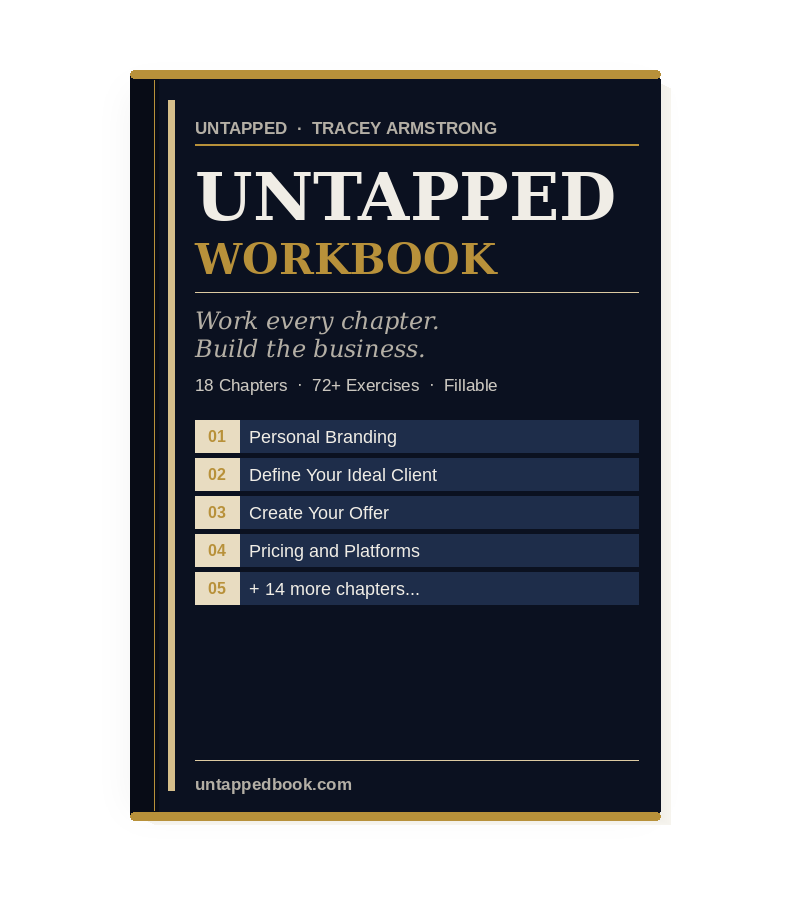
An 18-chapter framework to turn what God put inside you into a business that pays what it is worth.
That is a false choice. Untapped gives you the framework to build a knowledge-based business around what God put inside you - one that pays what it is worth and gives you your life back.
One-time payment · No experience required

You were not called to choose between the business and the life.
Maybe you are just getting started - you know what you carry but you do not know how to package it, price it, or get it in front of the people who need it. You have been waiting for the right moment. The framework. The permission. Something.
Maybe you are already building - but the business needs you in it constantly. Trading hours for dollars, presence for revenue, peace for growth. You are making more than you ever have and more exhausted than you have ever been. And the family you were building it for is getting what is left over.
Maybe you are somewhere in between - you have started and stopped, built and rebuilt, confirmed and reconsidered. And the quiet frustration underneath it all is that you know what God put inside you is worth more than what you have built around it so far.
All three of those people are missing the same thing. Not faith. Not the calling. Not the work ethic. A framework. One clear structure that shows you how to take what God deposited inside you and build a business that serves people, generates real income, and gives you your life back at the same time.
Deuteronomy 8:18 says He gave you the power to get wealth - not the permission. The power. Untapped is the 18-chapter framework that activates it. Personal brand to ideal client to offer to pricing to platform to launch. Built Kingdom-first. Written for the entrepreneur who is ready to build what God put inside them - and actually get paid what it is worth.
The concepts in Untapped will catapult you into not only making your Kingdom business a reality, but carrying impact and sustainability. It is the groundwork needed for the foundation of success.
If any of this sounds painfully familiar.
- You have knowledge, experience, or a calling that other people would pay to learn from - but you have never been shown how to package or sell it
- You are just getting started and you want to do it right the first time - with a framework, not guesswork
- You are already building but the business needs you in it constantly - and you know that is not sustainable
- You have started and stopped more times than you want to admit - not from lack of faith but from lack of structure
- You know God put something in you - a message, a method, a calling - and you're ready to stop sitting on it
- You want to build a knowledge-based business - coaching, speaking, writing, courses - but you don't know where to start
- You want faith and business to work together - not compartmentalized, but integrated from the ground up
- You need a personal brand, a defined client, an offer, a price, and a platform - and you want someone to show you how to build all of it
If any of this is also true, this book isn't for you.
- You want a get-rich-quick formula with no real work - this book builds something real, which means doing real work in the right order
- You are not willing to apply what you read - Untapped only works if you work it
- You prefer to keep your faith and your business in separate categories. This framework integrates both by design.
- You want to be told you're already doing it right. This book is about recognition - seeing what's been missing and building what's next.
- You're not willing to act. Reading without doing won't change anything. This book is designed to be worked, not just finished.
An 18-day framework from knowledge to company.
Build your brand and define your client.
Days 1–6 cover the foundation: personal branding, keys to business progression, building a lasting business, the seven spiritual laws of increase, defining your ideal client, and finding them. You become the brand before you build the business.
Create your offer and build your system.
Days 7–12 build the engine: avoiding brand mistakes, telling your brand story, becoming an enemy of average, growth that produces profitability, human potential and motivation, and making your clients say yes. This is where calling becomes product.
Launch, price, and scale your knowledge business.
Days 13–18 take you live: building blocks for a knowledge-based business, accountability systems, setting outcomes and expectations, creating your offer, platforms, promise, process, pricing, and overcoming objections. You finish with a real business operating.
Personal brand, ideal client, keys to progression, spiritual laws of increase.
Story, offer creation, growth mindset, human potential, client psychology.
Platforms, pricing, accountability, outcomes, overcoming objections.
Not opinions. Principles that work.
The framework in this book draws from proven business-building methodology, Kingdom theology, and real-world entrepreneurship - not theory from someone who's never built anything.
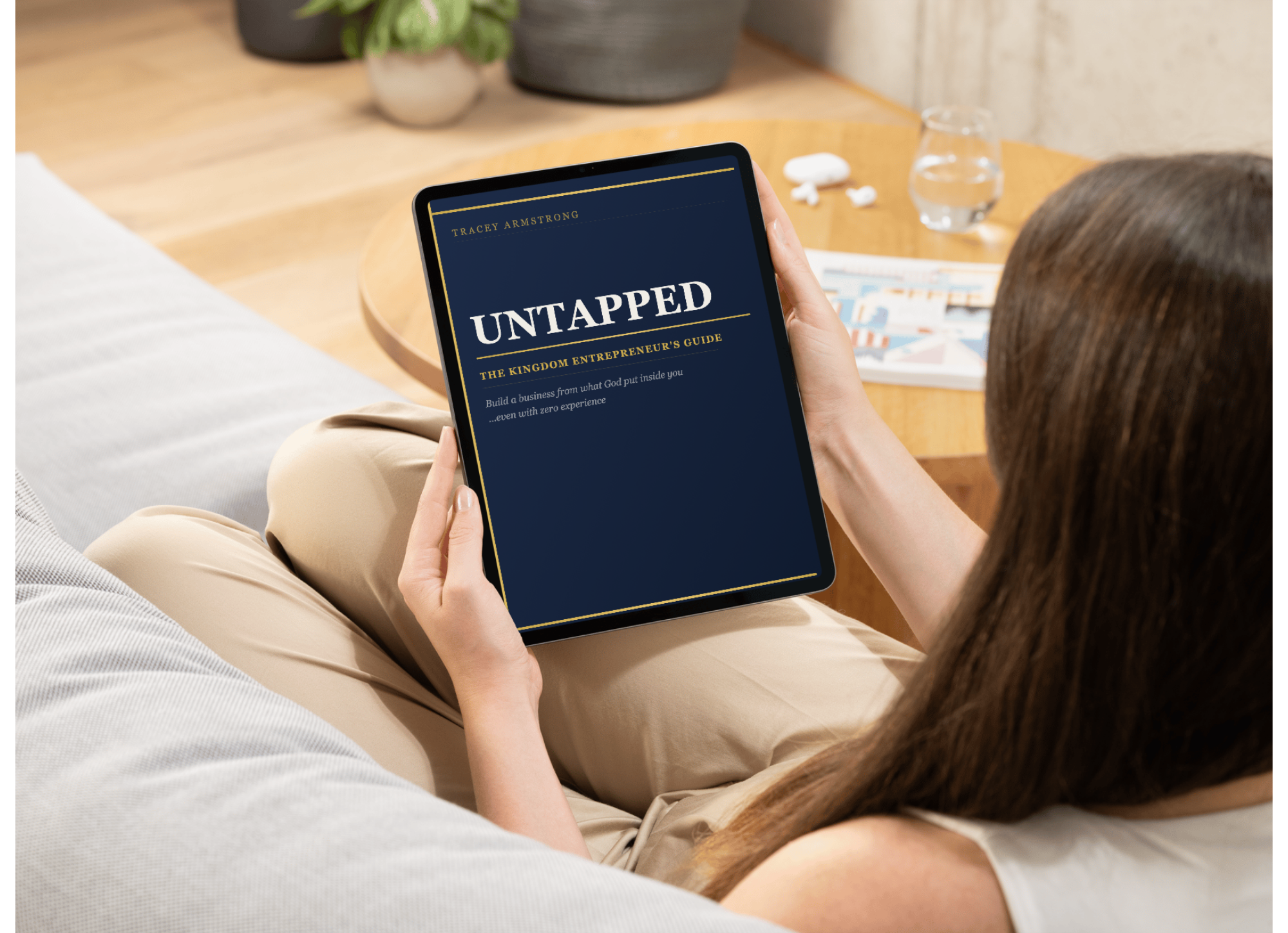
The book. The tools. Everything you need to build.
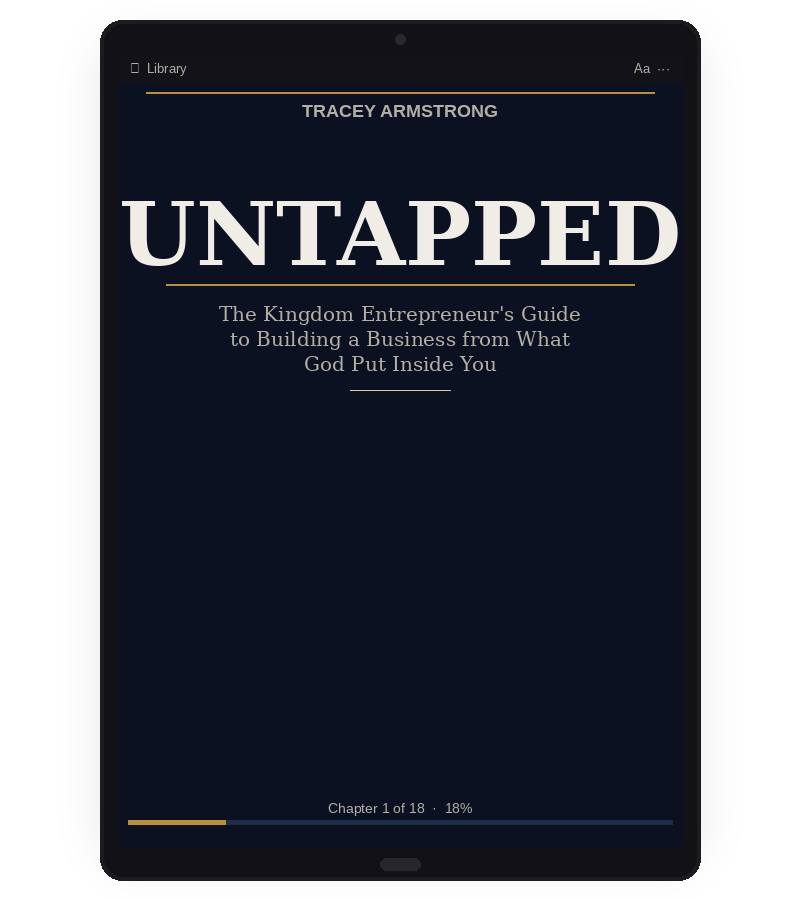
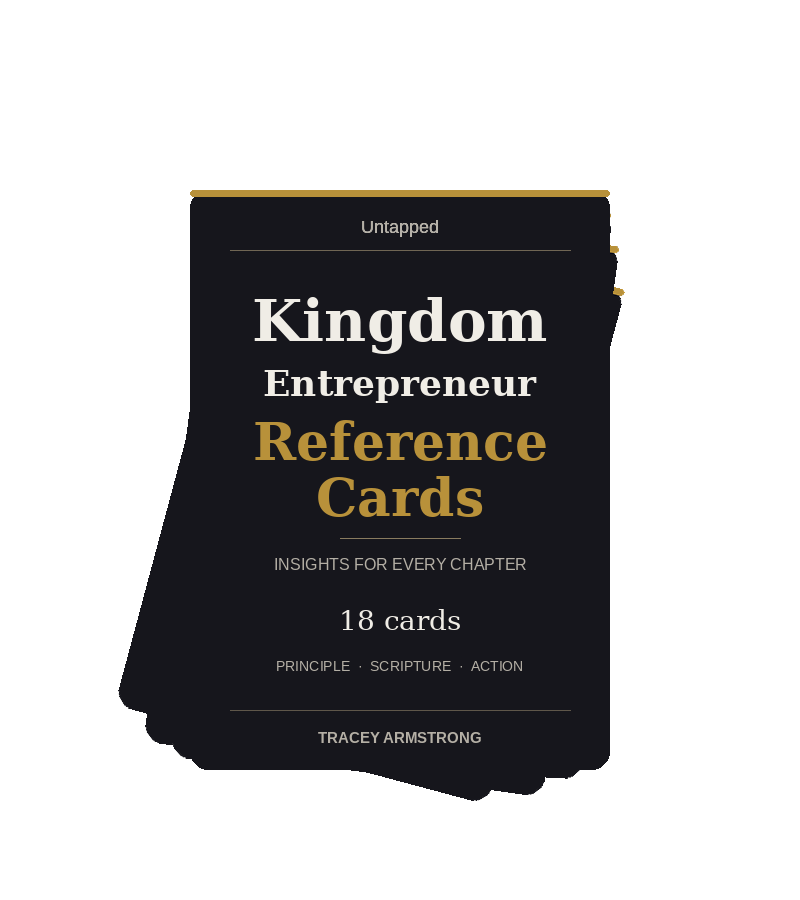
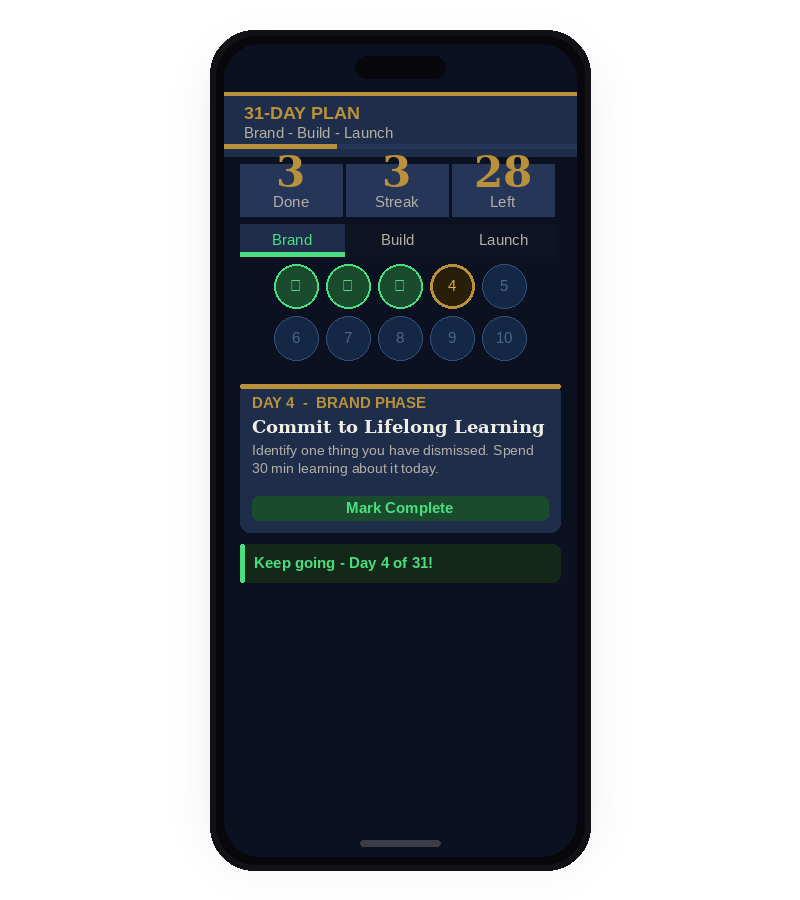
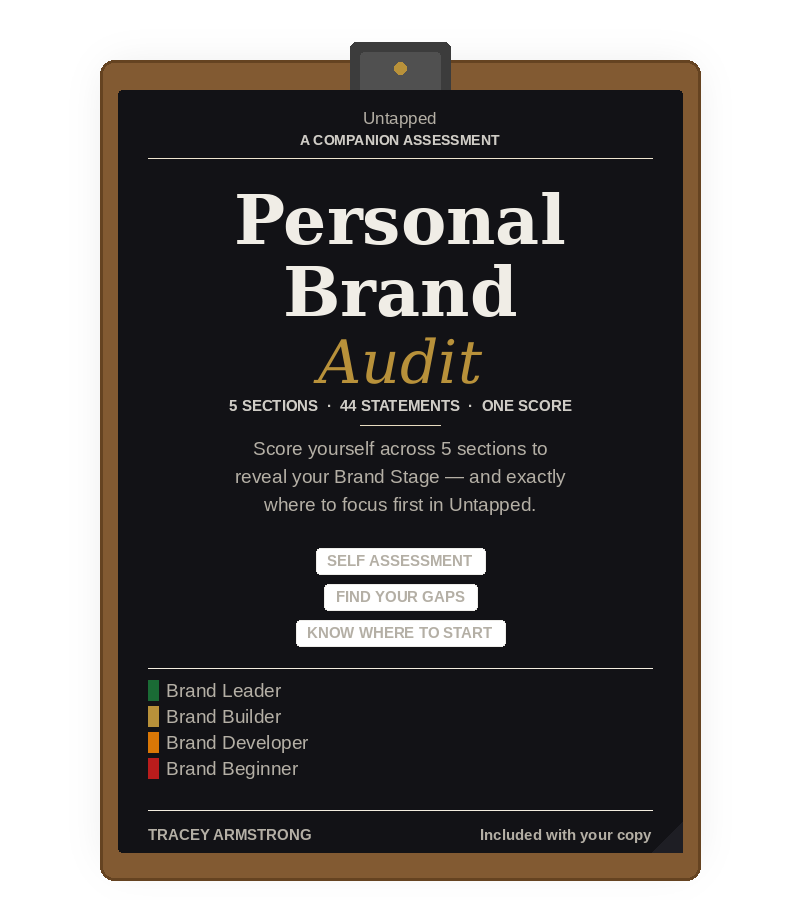
30-Day Money-Back Guarantee
Read it. Work it. If it isn't worth more than $17, email us within 30 days for a full refund. No forms, no questions. Keep the book either way.
"Build what God put inside you. Get paid what it is worth. And still have a life when you are done."
That is not a compromise. That is what a knowledge-based business built around your calling is actually supposed to look like.
Whether you are just getting started, already building, or somewhere in between - Untapped gives you the framework to build it right. $17. 18 chapters. Starting today.
I wrote this book because I needed it first.
Commonly asked questions.
Read the book. If it's not worth more than $17, I'll refund you.
$17 isn't nothing. You worked for it. So here's the deal: get instant access. Go through the material. Work the actions. Sit with what you build.
If you're not blown away by what this framework gives you, email me at [email protected] within thirty days and I'll refund your $17 and let you keep the book, free of charge.
No forms. No hoops. No questions.
Stop waiting for the perfect moment.
The vision is already there. The path is in your hands the moment you download this book.
30-Day money-back guarantee · No experience required · Instant download